

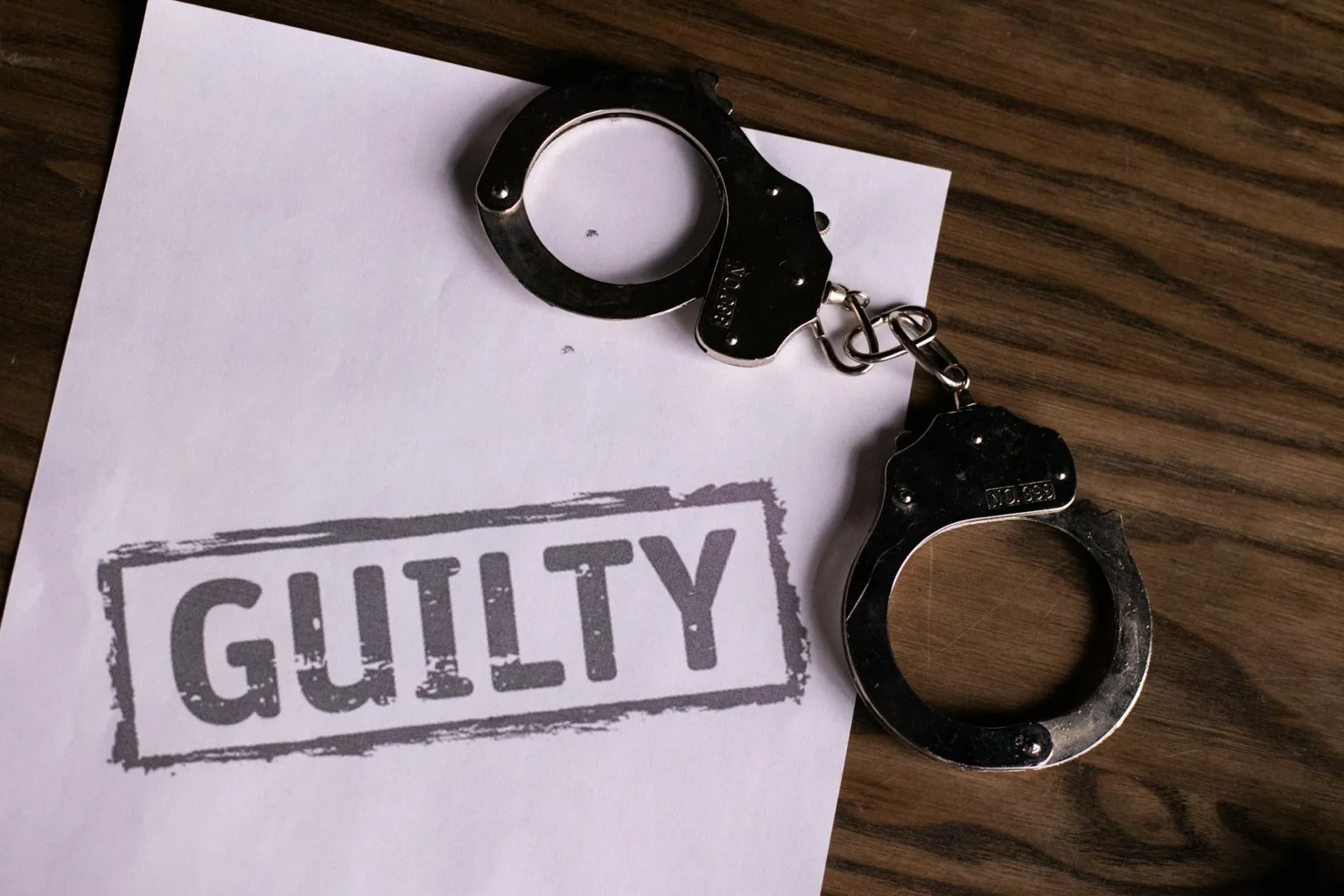
In a stunning decision that has sent shockwaves through the legal, spirits, and hobbyist communities, a federal appeals court has struck down a 158-year-old ban on home distilling, declaring it unconstitutional. The ruling, handed down by the U.S. Court of Appeals for the District of Columbia Circuit, challenges a foundational piece of post–Civil War legislation and opens the door to a potential revolution in American craft spirits.
For the first time since Ulysses S. Grant was president, the right of individuals to distill spirits for personal use is being recognized as a protected liberty — setting the stage for a dramatic shift in a long-static regulatory landscape.
A Toast to History: The Origins of the Ban
To understand the magnitude of this ruling, one must look back to the turbulent era of its origin. The ban on home distillation finds its roots in the Revenue Act of 1862, a measure enacted by President Abraham Lincoln to fund the Union war effort during the Civil War. However, the specific prohibition was cemented by the Distilled Spirits Tax Act of 1868.
This law was born not just from revenue needs but from a potent combination of public health concerns — linked to poorly made “moonshine” — and the federal government’s drive to consolidate control over a lucrative and often chaotic industry.
For over a century and a half, this framework remained largely unchallenged. The era of Prohibition (1920–1933) further demonized home production of alcohol, and while the 21st Amendment repealed the national ban on alcohol, it left the specific federal prohibition on home distilling intact.
In contrast, homebrewing beer and winemaking were federally legalized in 1978, creating a curious legal asymmetry: Americans could legally produce hundreds of gallons of beer or wine at home, but distilling a single drop of spirits for personal consumption remained a federal felony.
The Case That Cracked the Barrel
The path to this landmark decision began with a challenge from a coalition of home distilling enthusiasts and advocacy groups. They argued that the sweeping federal ban was an overreach, infringing upon personal liberties without a compelling modern justification. Their central claim was that the law violated the Due Process Clause of the Fifth Amendment, which protects individuals from arbitrary government interference with their fundamental rights.
The three-judge panel of the D.C. Circuit agreed. In a meticulously argued opinion, the court drew a critical distinction between regulation and absolute prohibition.
The judges acknowledged the government’s legitimate interests in ensuring safety, collecting revenue, and preventing illicit commercial activity. However, they found that a total ban on non-commercial, personal distillation was not “narrowly tailored” to serve those interests.
The court pointed to the successful state-level regulation of home distilling (already legal in some states like Missouri and Alaska) and the federal government’s own permissive stance on home beer and wine production as evidence that a less restrictive path was feasible.
“The government’s interest in taxation and safety can be achieved through means far short of a blanket criminalization of a peaceful, private activity pursued for personal consumption,” the opinion stated. “The 1868 Act, in its application to personal use, reaches beyond the scope of Congress’s powers as it pertains to this fundamental liberty interest.”
Immediate Reactions and Rippling Implications
The ruling has ignited a firestorm of commentary and speculation. For craft spirit aficionados and hobbyists, the reaction has been one of jubilation.
“This is a victory for American ingenuity and personal freedom,” said one advocate from a home distilling association. “It puts spirits on an equal footing with other fermented beverages and recognizes the art and science of distillation as a legitimate pursuit.”
However, the decision is not a blanket permission slip. Legal experts and industry analysts were quick to clarify the ruling’s scope and likely consequences:
- State Laws Remain Paramount: The ruling invalidates the federal prohibition. It does not automatically legalize home distilling in all 50 states. Individual state laws, which vary widely, now take center stage. Residents must still comply with their own state’s statutes regarding alcohol production.
- No Commercial Sale: The decision is explicitly framed around distillation for personal, non-commercial use. Selling home-distilled spirits remains illegal without a federal permit and license, which involve rigorous oversight, bonding, and taxation.
- The Tax Question: A major unresolved issue is taxation. Commercial distillers pay significant federal excise taxes. The court’s opinion suggests the Treasury Department’s Alcohol and Tobacco Tax and Trade Bureau (TTB) may need to develop a regulatory or reporting framework for personal production — potentially including a nominal tax or a permit system for hobbyists.
- Industry Impact: Major commercial distilleries have expressed cautious concern, primarily focused on ensuring any future system maintains strict quality and safety standards to protect consumers. Some craft distillers see an upside, believing a thriving home hobbyist culture could grow the overall market for premium spirits and equipment.
Safety, Science, and the Future of the Hobby
A primary concern surrounding any discussion of home distilling is safety. Improper distillation can concentrate toxic methanol or other fusel alcohols, posing serious health risks.
Proponents of the ruling argue that the 1868 ban was a blunt instrument that drove the practice underground, making education and safety compliance harder. They contend that a legal, regulated environment will foster a culture of responsibility, with hobbyists accessing better equipment, vetted resources, and community knowledge.
“Prohibition didn’t work for drinking, and it hasn’t worked for distilling,” argued one chemical engineer and hobbyist. “Legalization brings things into the light. People will use proper materials, understand cuts, and prioritize safety when they aren’t fearing a felony charge.”
The future landscape is likely to see a boom in related industries. Suppliers of small-scale stills, fermentation equipment, grains, yeasts, and educational materials are anticipating significant growth.
Online forums and in-person clubs dedicated to the “artisan distiller” are expected to proliferate — much as they did for homebrewing decades ago.
What Comes Next: Appeals and the Road Ahead
While a landmark, this ruling may not be the final word. The federal government could request a rehearing before the full D.C. Circuit Court of Appeals or appeal to the U.S. Supreme Court.
Legal scholars are divided on whether the high court would take the case, given its potential to delve into substantive due process and the broader question of personal liberty versus regulatory authority.