

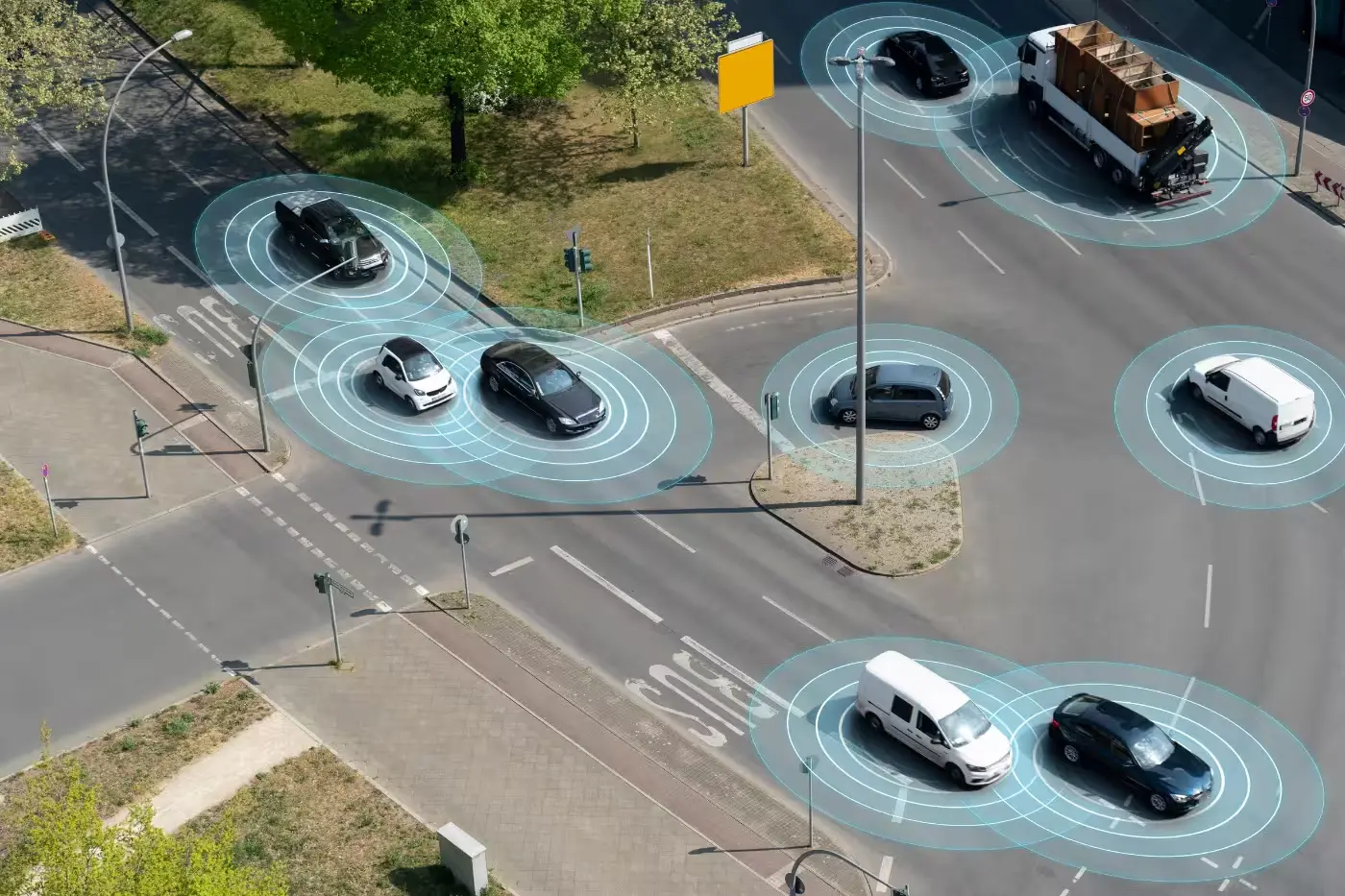
The race toward fully autonomous vehicles is accelerating, with groundbreaking advancements reshaping what’s possible on the road. From enhanced AI decision-making to regulatory milestones, here’s a look at the cutting-edge developments driving the future of transportation.
Key Technological Advancements
1. AI and Machine Learning Evolution
- Next-Gen Perception Systems: Modern autonomous vehicles now utilize multi-modal sensor fusion—combining LiDAR, radar, cameras, and ultrasonic sensors—to create ultra-precise 3D environmental maps in real time.
- Predictive AI Algorithms: Advanced machine learning models can now anticipate pedestrian behavior, cyclist movements, and unpredictable road scenarios with greater accuracy than ever before.
2. Improved Computational Power
- Onboard Supercomputers: New specialized chips (like NVIDIA’s Drive Thor and Tesla’s Dojo) enable faster data processing, allowing vehicles to make split-second decisions.
- Edge Computing: Reduced latency through localized data processing enhances real-time responsiveness without relying solely on cloud connectivity.
3. V2X (Vehicle-to-Everything) Communication
- Cars are increasingly communicating with traffic lights, other vehicles, and smart city infrastructure to optimize traffic flow, improve safety, and enable cooperative driving.
4. HD Mapping and Localization
- High-definition dynamic maps, often updated in real-time via crowdsourced data, provide centimeter-level accuracy for lane positioning and navigation.
5. Regulatory and Safety Milestones
- Governments worldwide are introducing new frameworks for testing and deployment, with some regions now allowing Level 4 autonomous vehicles (high automation under specific conditions) on public roads.
Industry Impact and Future Outlook
Autonomous technology is expanding beyond passenger cars into trucking, delivery services, and public transit, promising to reduce accidents, ease congestion, and increase mobility access.
However, challenges remain—including ethical AI decisions, cybersecurity, and public trust. The next five years will likely see wider adoption of geo-fenced autonomous ride-sharing and freight services, with fully driverless cars becoming more common in controlled environments.
What are your thoughts on the ethical or practical implications of self-driving cars?
Join the conversation below—we’d love to hear your perspective on the future of autonomous mobility.